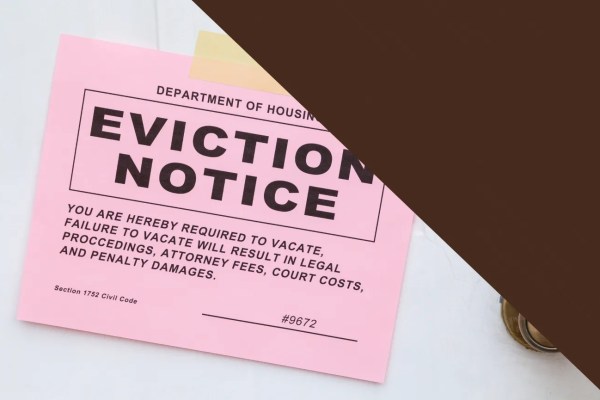
8 Essential Clauses Every Tenancy Agreement Should Contain
Renting property in Nigeria is often straightforward at the beginning. A landlord has a space to let, a tenant needs accommodation, and both parties are eager to close the deal. But once money changes hands and the tenancy begins, expectations can quickly diverge.
Who is responsible for repairs? What happens if rent is delayed? Can the landlord increase rent at any time? Is the tenant allowed to sublet the property?
These questions are not theoretical. They are the source of countless disputes between landlords and tenants across Nigeria. The difference between a smooth tenancy and a stressful one often comes down to one thing: how well the tenancy agreement was drafted.
A tenancy agreement is not just a formality. It is the legal backbone of the landlord-tenant relationship. When properly written, it protects both parties, clarifies expectations, and reduces the likelihood of conflict.
Why a Tenancy Agreement Matters
Many tenancy arrangements in Nigeria still rely on informal agreements or poorly drafted documents. Sometimes, the agreement is verbal. Other times, it is a one-page document that barely covers the basics.
While this may seem convenient at first, it creates uncertainty.
Without a clear agreement, both landlord and tenant may interpret their rights differently. What one party considers “obvious” may not be obvious to the other.
A well-structured tenancy agreement eliminates this ambiguity. It sets out the rules governing the tenancy and provides a reference point if disagreements arise.
In legal terms, it transforms a casual arrangement into an enforceable relationship.
The Importance of Clearly Identifying the Parties
Every tenancy agreement should begin by clearly identifying the landlord and the tenant.
This may seem simple, but it is more important than many people realize. The agreement should state the full names and addresses of both parties to avoid confusion about who is legally bound by the contract.
In situations where an agent is involved, the agreement should also clarify whether the agent is acting on behalf of the landlord and whether they have authority to enter into the agreement.
Clarity at this stage prevents disputes about who is responsible for obligations under the tenancy.
Description of the Property
A tenancy agreement must clearly describe the property being rented.
This includes the address, type of property, and any specific features or areas included in the tenancy. For example, if the tenant is renting only a portion of a building or has access to shared spaces, this should be clearly stated.
A vague description can create confusion, especially in multi-unit buildings or shared accommodations. The goal is to ensure that both parties have a shared understanding of what exactly is being rented.
Duration of the Tenancy
One of the most important clauses in any tenancy agreement is the term of the tenancy.
The agreement should specify when the tenancy begins and when it ends. It should also indicate whether the tenancy is fixed-term (for example, one year) or periodic (such as monthly).
This clause helps both parties plan ahead. The tenant knows how long they are entitled to occupy the property, and the landlord knows when they can expect to review or renew the arrangement.
Without a clearly defined duration, disputes about possession and renewal can arise.
Rent and Payment Terms
Rent is at the heart of every tenancy agreement, yet it is often one of the most poorly defined areas.
A proper agreement should clearly state the amount of rent, how it is to be paid, and when it is due. It should also specify whether payment is made monthly, quarterly, or annually.
In Nigeria, where upfront rent payments are common, it is especially important to document the agreed amount and payment schedule.
The agreement may also address what happens if rent is paid late, including any penalties or consequences.
Clear payment terms help prevent misunderstandings and ensure that both parties know their financial obligations.
Security Deposit
Many landlords require tenants to pay a security deposit as a form of protection against damage or unpaid rent.
The tenancy agreement should specify the amount of the deposit, the conditions under which it may be used, and how it will be returned at the end of the tenancy.
This clause protects both parties. The landlord has a safeguard against potential losses, while the tenant understands the conditions for recovering the deposit.
Without clear terms, disputes over deposits are almost inevitable.
Maintenance and Repairs
One of the most common sources of conflict in tenancy relationships is maintenance.
Tenants often expect landlords to handle repairs, while landlords may believe that tenants should take responsibility for certain issues.
A well-drafted tenancy agreement clarifies these responsibilities.
It should state which party is responsible for routine maintenance, structural repairs, and damage caused by negligence.
By defining these obligations in advance, the agreement reduces the likelihood of disagreements during the tenancy.
Use of the Property
The agreement should specify how the property may be used.
For example, a residential property should not be used for commercial activities unless expressly permitted. Similarly, the agreement may address issues such as subletting, keeping pets, or making alterations to the property.
These provisions help protect the landlord’s property while ensuring that the tenant understands the boundaries of their use.
Termination and Notice
Every tenancy agreement should include provisions for termination.
This clause explains how either party can end the tenancy and how much notice must be given.
In Nigeria, notice periods are often regulated by law, but it is still important to document them clearly in the agreement.
The clause may also address situations where the tenancy can be terminated early, such as breach of contract or non-payment of rent.
Having clear termination terms ensures that both parties know how to exit the agreement properly.
Dispute Resolution
Even with a well-drafted agreement, disputes can sometimes arise.
A tenancy agreement should include a clause outlining how such disputes will be resolved.
This may involve negotiation, mediation, or legal action. While many disputes are resolved informally, having a documented process provides guidance if disagreements escalate.
Why Using a Proper Template Matters
Drafting a tenancy agreement from scratch can be challenging, especially for individuals without legal training.
Many people resort to copying generic templates from the internet, which often leads to incomplete or unsuitable agreements.
A better approach is to use a structured template designed specifically for Nigerian tenancy arrangements.
Our affordable tenancy agreement template is drafted by lawyers and tailored to reflect Nigerian legal and practical realities. It helps ensure that all essential clauses are included while remaining clear and easy to use.
This allows both landlords and tenants to formalize their relationship with confidence.
Frequently Asked Questions
Is a tenancy agreement legally required in Nigeria?
While not always mandatory, a written tenancy agreement is strongly recommended because it provides legal clarity and helps prevent disputes.
Can a tenancy agreement be oral?
Oral agreements can exist, but they are difficult to enforce. A written agreement provides clear evidence of the terms agreed by both parties.
What happens if there is no maintenance clause?
Without a maintenance clause, disputes may arise over who is responsible for repairs. This often leads to disagreements and strained relationships.
Can a landlord change rent without agreement?
Generally, rent changes should be agreed upon by both parties and documented in the tenancy agreement or a renewal agreement.
How can I create a proper tenancy agreement?
You can use structured resources such as the LegalDoc tenancy agreement template, which is affordable and drafted by lawyers to cover essential clauses.
Conclusion
A tenancy agreement is more than just a document—it is the foundation of the landlord-tenant relationship.
When properly drafted, it protects both parties, clarifies expectations, and reduces the likelihood of conflict. When poorly written—or worse, ignored altogether—it leaves room for misunderstanding and dispute.
For landlords and tenants in Nigeria, investing time in a clear and comprehensive agreement is one of the smartest decisions you can make.
Using tools like our tenancy agreement template on LegalDoc, drafted by legal professionals, ensures that nothing important is left out—giving both parties peace of mind throughout the tenancy.