Eviction Notice: What It Is, Required Length, and What to Do When You Receive One
If you rent a property in Nigeria—whether a flat in Surulere, a self-contained apartment in Abuja, or a shop in Port Harcourt—you will likely encounter the term eviction notice at some point. For many tenants, it triggers anxiety. For landlords, it can be a necessary step in recovering possession of property.
But what exactly is an eviction notice? How long should it be? And what should you do if one is served on you?
What Is an Eviction Notice?
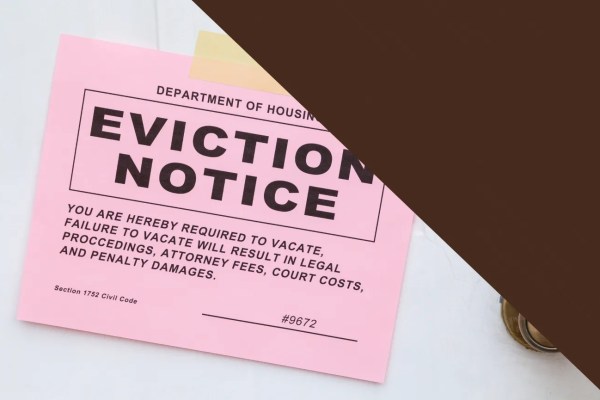
An eviction notice is a formal written communication from a landlord to a tenant indicating the landlord’s intention to recover possession of the rented premises. It is not the same thing as forcibly removing a tenant. Rather, it is the first procedural step required by law before a court can grant possession to a landlord.
In Nigeria, eviction is governed primarily by:
-
The Tenancy Law of Lagos State 2011 (for properties in Lagos)
-
Various Rent Control and Recovery of Premises Laws applicable in other states
-
The common law principles inherited from English law
-
The Sheriffs and Civil Process Act (for enforcement of court judgments)
Eviction must follow due process. Self-help measures—such as locking out a tenant, removing the roof, disconnecting utilities, or hiring thugs—are unlawful and can expose a landlord to damages and even criminal liability.
The Legal Framework Governing Eviction in Nigeria
Eviction laws vary slightly from state to state, but the procedure is broadly similar across Nigeria.
1. The Tenancy Law of Lagos State 2011
The Tenancy Law of Lagos State 2011 is one of the most detailed tenancy statutes in Nigeria. It regulates residential and some commercial tenancies in Lagos.
Under this law:
-
A landlord must serve the appropriate statutory notice.
-
If the tenant fails to vacate after the notice expires, the landlord must serve a 7-day notice of owner’s intention to recover possession.
-
Only after these steps can the landlord approach the Magistrate Court or High Court for an order of possession.
Other states have similar provisions under their respective Recovery of Premises Laws.
Types of Notices in the Eviction Process
Many people assume that an eviction notice is a single document. In reality, there are usually two stages of notice.
1. Notice to Quit
This is the first and most important notice. It informs the tenant that the landlord does not intend to renew the tenancy and requires the tenant to vacate within a specified period.
The required length depends on the nature of the tenancy.
Length of Notice in Nigeria
Under the Tenancy Law of Lagos State 2011 (Section 13), where there is no written agreement specifying otherwise:
-
Weekly tenancy – 1 week’s notice
-
Monthly tenancy – 1 month’s notice
-
Quarterly tenancy – 3 months’ notice
-
Yearly tenancy – 6 months’ notice
In other states, the period may vary slightly, but yearly tenants generally require six months’ notice unless otherwise agreed.
If a tenancy agreement clearly provides a different notice period, the contractual term usually prevails.
2. Seven-Day Notice of Owner’s Intention to Recover Possession
If the tenant refuses to vacate after the notice to quit expires, the landlord must serve a 7-day notice indicating an intention to approach the court.
This notice is procedural. It does not automatically remove the tenant. It simply sets the stage for court proceedings.
When Can a Landlord Issue an Eviction Notice?
A landlord may issue a notice for several reasons:
-
Expiry of tenancy term
-
Breach of tenancy agreement
-
Non-payment of rent
-
Subletting without consent
-
Using the premises for illegal purposes
-
Personal use of the property
However, the reason must align with the terms of the agreement and applicable law.
What an Eviction Notice Is Not
It is important to clarify common misconceptions.
An eviction notice:
-
Is not a court order.
-
Does not authorize forceful removal.
-
Does not entitle the landlord to seize the tenant’s property.
-
Does not permit harassment.
Only a court can lawfully order eviction.
In the case of African Petroleum Ltd v. Owodunni (1991) 8 NWLR (Pt. 210) 391, the Nigerian courts emphasized that recovery of premises must follow statutory procedure. A landlord cannot bypass due process.
What to Do When You Receive an Eviction Notice
Receiving an eviction notice can be unsettling, but panic is not the solution. Take these steps instead.
1. Confirm the Type of Tenancy
Are you:
-
A yearly tenant?
-
A monthly tenant?
-
A tenant at will?
-
A tenant holding over?
Your status determines the legality of the notice period.
If you are a yearly tenant and you receive only one month’s notice without contractual justification, the notice may be defective.
2. Check the Length of Notice
Compare the notice period with:
-
The tenancy agreement
-
The applicable state law
If the notice period is shorter than required, you may challenge it in court.
3. Verify Proper Service
For a notice to be valid, it must be properly served. Service can be done by:
-
Personal delivery
-
Posting on the premises (in some cases)
-
Delivery through an agent or legal practitioner
Improper service may invalidate the notice.
4. Assess Whether There Is a Breach
If the eviction is based on non-payment of rent or another breach, ask:
-
Is the rent actually outstanding?
-
Has there been a misunderstanding?
-
Is there evidence of payment?
Sometimes disputes arise from poor communication rather than deliberate default.
5. Seek Legal Advice
Consult a property lawyer familiar with tenancy laws in your state. A lawyer can:
-
Examine the validity of the notice
-
Determine whether due process was followed
-
Represent you in court if necessary
Ignoring the notice entirely is rarely wise.
What Happens If You Refuse to Leave?
If a tenant remains after the notice expires:
-
The landlord files an action for recovery of possession.
-
The court issues a hearing date.
-
Both parties present their case.
-
If the court grants possession, it issues a judgment.
-
Enforcement is carried out by court bailiffs—not the landlord personally.
Any eviction without a court order is unlawful.
Rights of Tenants Under Nigerian Law
Tenants are not helpless. Nigerian law recognizes several protections.
Right to Due Process
No eviction without proper notice and court order.
Right to Quiet Enjoyment
Landlords cannot harass tenants or interfere with lawful possession.
Right to Damages
If unlawfully evicted, a tenant may sue for damages.
In Ihenacho v. Uzochukwu (1997) 2 NWLR (Pt. 487) 257, the court reiterated the importance of strict compliance with statutory notice requirements.
Responsibilities of Tenants
Tenants must also fulfill their obligations:
-
Pay rent when due
-
Maintain the premises
-
Avoid illegal use of the property
-
Comply with tenancy terms
Failure to do so strengthens a landlord’s case in court.
Special Considerations in Lagos
Under the Tenancy Law of Lagos State 2011:
-
Excessive advance rent is restricted.
-
Certain areas may have special rules.
-
The law does not apply to high-value properties in exclusive areas like Ikoyi, Victoria Island, and Apapa (as specified under the statute).
Understanding whether your property falls within or outside the scope of the law is critical.
Can an Eviction Notice Be Withdrawn?
Yes. A landlord can withdraw a notice before court proceedings begin, especially if:
-
Rent arrears are paid.
-
Parties renegotiate terms.
-
A new tenancy agreement is executed.
Settlement is often cheaper and faster than litigation.
Practical Advice for Landlords
If you are a landlord in Nigeria:
-
Always document tenancy agreements.
-
Use legally compliant notice templates.
-
Avoid emotional confrontations.
-
Do not engage in self-help eviction.
-
Consult a lawyer before filing in court.
Improper eviction can result in financial liability and reputational damage.
Practical Advice for Tenants
If you receive an eviction notice:
-
Do not ignore it.
-
Review your contract.
-
Confirm the legal notice period.
-
Consider negotiation if you need more time.
-
Seek professional advice where necessary.
Early action often leads to better outcomes.
Conclusion
An eviction notice in Nigeria is not a sudden expulsion—it is a legal signal that a tenancy relationship is coming to an end. The law requires proper notice, procedural compliance, and court authorization before possession can be recovered.