For centuries, farming was seen as a way of life—something passed down from generation to generation, rooted in tradition, family values, and survival. But in today’s world, farming has transformed. No longer is it merely a subsistence practice; it’s now a thriving commercial enterprise with opportunities for innovation, growth, and high returns. Farming as a business blends the best of agriculture with business strategy, offering a path toward sustainability, profitability, and economic independence.
Whether you’re an aspiring agri-preneur, a landowner looking to maximize your assets, or an investor eyeing the agribusiness sector, understanding how to operate farming as a business is key to success.
Why Treat Farming Like a Business?
Thinking of farming as a business rather than a hobby or heritage has profound benefits:
1. Profitability and Sustainability
Running a farm like a business means tracking expenses, maximizing returns, and investing wisely. It leads to better use of resources, higher yields, and long-term sustainability.
2. Risk Management
Agricultural businesses face numerous risks—climate variability, market fluctuations, pest infestations, and more. A structured business approach includes insurance, contingency planning, and diversified income streams to weather these challenges.
3. Access to Funding
Banks, investors, and government grant programs are far more likely to support a well-planned agribusiness than a casual farming operation. Having a solid business plan opens doors to financing and partnerships.
4. Scalability
Once you start tracking inputs and outputs with precision, it’s easier to scale operations. Smart farmers replicate successful strategies, leverage economies of scale, and expand into value-added products.
Laying the Groundwork: The Business Plan
A robust farm business plan is the foundation of any profitable agricultural venture. It includes:
Executive Summary: A brief overview of your farming business, mission, and goals.
Market Analysis: Research on local and global demand, pricing trends, consumer preferences, and competition.
Operational Plan: Details about your crops or livestock, production methods, land use, and seasonal planning.
Financial Projections: Income forecasts, cost structures, profit margins, and cash flow statements.
Marketing Strategy: Plans for branding, selling, and distributing your farm products.
Choosing the Right Farming Model
Not all farms are created equal. The right farming model depends on your resources, location, market access, and expertise. Here are several profitable options:
1. Crop Farming
From grains and vegetables to fruits and herbs, crop farming is highly diverse. Crop farmers can specialize in high-value niche products like organic produce, superfoods, or medicinal plants.
2. Livestock Farming
Raising cattle, goats, chickens, or pigs can be lucrative with proper animal husbandry. Livestock farming generates multiple revenue streams—meat, milk, eggs, hides, and even manure for fertilizer or biogas.
3. Agroforestry
Blending forestry with agriculture can provide environmental and financial benefits. Timber, nuts, fruits, and medicinal trees like moringa offer long-term returns.
4. Aquaculture
Fish farming is gaining traction globally due to rising demand for protein-rich diets. Tilapia, catfish, and shrimp are popular options for small and medium-scale operators.
5. Mixed Farming
Combining crops and livestock helps spread risk and optimize resource use. For example, animal waste fertilizes crops, while crop residues feed animals.
Technology and Innovation in Farming
Today’s farms leverage technology to boost efficiency and profitability. Here’s how:
1. Precision Agriculture
Using GPS, drones, and sensors, farmers can monitor soil moisture, crop health, and nutrient levels in real-time. This minimizes waste and increases yields.
2. Data-Driven Decision Making
Farm management software allows tracking of planting cycles, harvests, sales, and expenses. Over time, this data helps improve forecasting and resource allocation.
3. Mechanization
From tractors to harvesters, modern machinery saves time and labor. Even small farms can benefit from affordable tools and equipment.
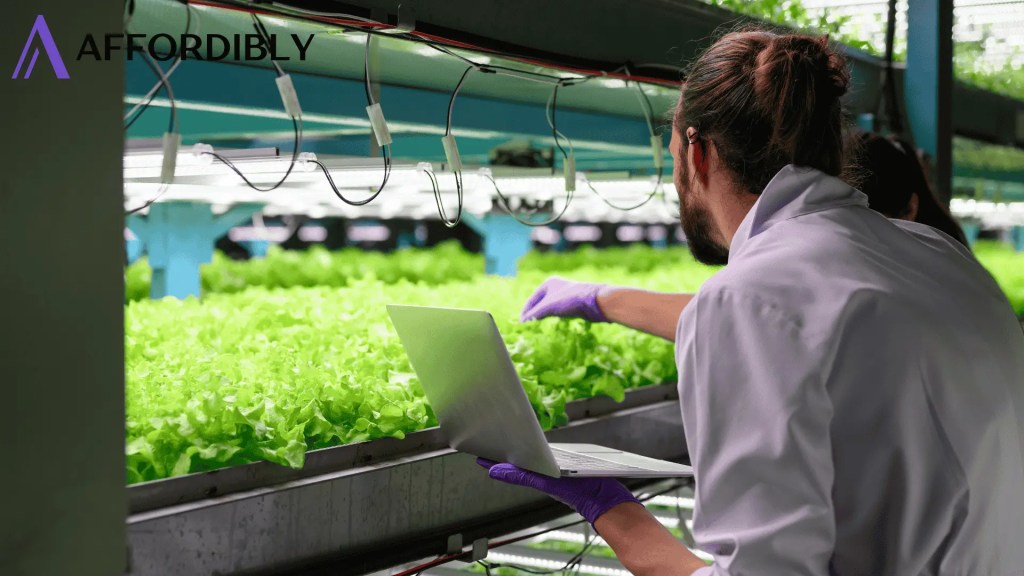
4. Greenhouse Farming
Controlled environments enable year-round farming, higher productivity, and reduced pesticide use. Greenhouse technology is especially profitable for vegetables, flowers, and herbs.
Financial Management for Farmers
Farming can be capital-intensive. Effective financial planning includes:
Budgeting: Plan for both seasonal income and recurring expenses.
Record-Keeping: Maintain detailed logs of sales, purchases, labor, and input costs.
Credit Access: Consider agri-loans, microfinance, or investment partners.
Diversification: Avoid putting all your eggs in one basket. Explore agro-tourism, training, or food processing.
Many governments offer subsidies, grants, or low-interest loans to support commercial farmers. Explore these opportunities proactively.
Challenges in Agribusiness—and How to Overcome Them
Every business has risks, and farming is no different. Common hurdles include:
1. Climate Change
Droughts, floods, and unpredictable weather can devastate yields. Adapt with climate-smart agriculture, water harvesting, and early warning systems.
2. Pests and Diseases
Invest in integrated pest management (IPM), resistant crop varieties, and veterinary services to mitigate losses.
3. Price Volatility
Commodity prices fluctuate. Reduce dependence on raw product sales by exploring value-added products like jams, juices, cheeses, or packaged meats.
4. Labor Shortages
Mechanization, training, and incentives can attract and retain farm workers.
Legal and Regulatory Considerations
Running a farm business means complying with local and international laws. Areas to watch include:
Land Ownership and Leasing
Zoning and Environmental Laws
Food Safety and Certification
Taxation and Import/Export Licenses
Working with an agricultural consultant or lawyer can save you from costly mistakes.

Legal Framework & Farm Lease Agreements
When you don’t own the land, A comprehensive farm lease agreement will do you a world of good. This agreement is crucial for clarity and protection:
Key Lease Provisions
Term & Renewal: Define lease duration with clear renewal or buyout clauses.
Rent Structure: Fixed annual rent, sharecropping models, or graduated leases tied to commodity prices.
Land Use & Maintenance: Specify permitted crops or livestock, soil and water conservation responsibilities, fencing, and road access.
Improvements & Equipment: Clarify who pays for irrigation systems, outbuildings, or equipment storage.
Termination Conditions: Notice periods, breach remedies, and handling of perennial or multi-year plantings.
You can utilize sample farm lease agreement forms provided by Legaldoc, A reputable online tool where you can generate legal documents drafted and vetted by lawyers.
The Human Side of Farming
Successful farm businesses don’t just grow crops—they grow communities. Empowering youth, women, and local labor creates shared prosperity. Building strong relationships with customers, suppliers, and fellow farmers can also open doors to collaborations, knowledge exchange, and bulk purchasing power.
Case Study: Small Farm, Big Profits
Consider the story of a young entrepreneur who turned a one-acre plot into a profitable organic vegetable business. By using raised beds, drip irrigation, composting, and direct-to-consumer delivery via social media, they achieved consistent income, loyal customers, and expansion opportunities—all within three years.
What made it work? A business mindset, attention to branding, and relentless focus on customer needs.