
How to Write a Will in Nigeria
A will decides who gets what when you die. Without one, the law decides instead, and in Nigeria that answer varies by state and by the type of marriage.
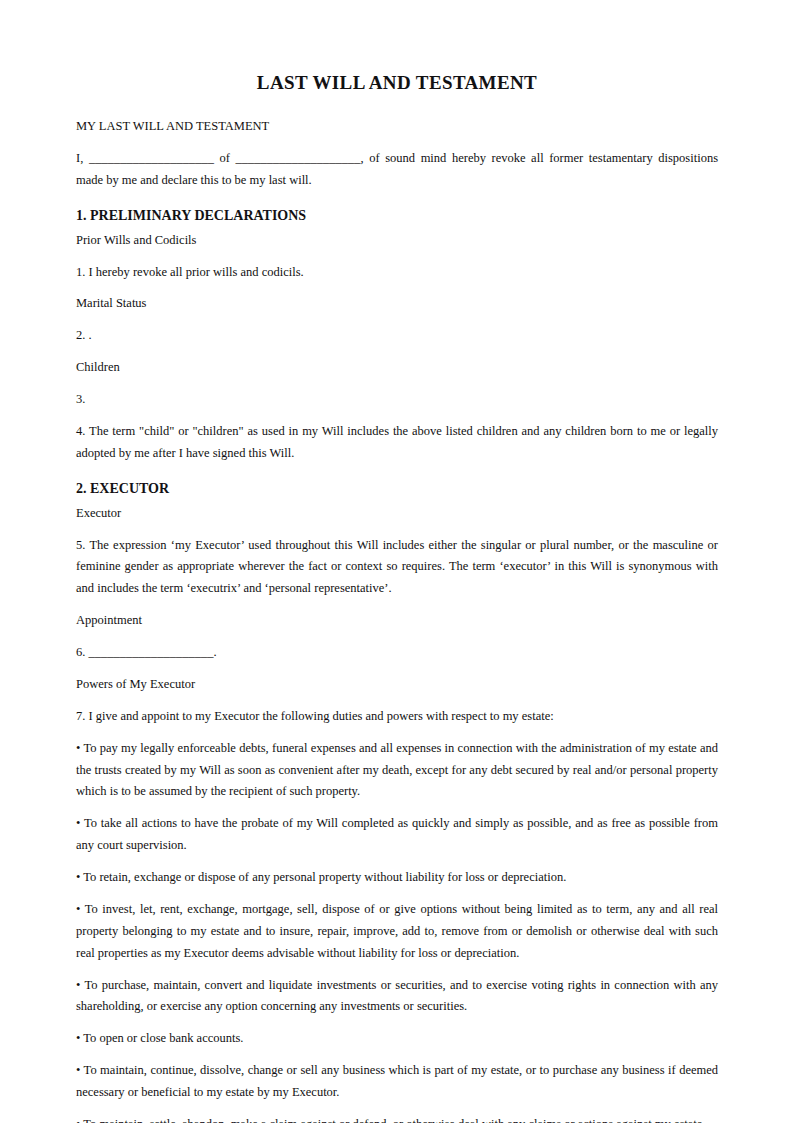
What a last will and testament is
A will is the document setting out what happens to your property when you die and who is responsible for carrying that out.
Die without one and you die intestate. Your estate is then distributed according to the rules that apply to you, which in Nigeria depend on the state, on whether your marriage was statutory or customary, and in some cases on customary or Islamic law. The outcome is frequently not what the deceased would have chosen, and it is reached slowly.
A will replaces that with your own decision. It names the people who will administer the estate, says who receives what, and can appoint guardians for children who are still minors.
The formalities matter more than the wording. A will that says exactly what you want but was signed without two witnesses present is not a valid will, and the estate is distributed as though you never wrote it.
Who needs one
Anybody with property, savings, a business interest or children.
Parents of minor children, since a will is where guardianship is addressed.
Anybody in a second marriage or with children from more than one relationship, where the intestacy rules are least likely to reflect their intentions.
Business owners, whose shares form part of the estate and can leave a company paralysed while the succession is resolved.
One caution: where the estate is substantial, involves land in several states, or where Islamic law applies, take proper advice rather than relying on a template.
Before you start
Gather this before you begin.
A list of what you own: property, vehicles, bank accounts, business interests, investments.
The full names of everybody you want to benefit, and their relationship to you.
Who you want as executors, and whether they have agreed.
Who would care for minor children.
And two people who can witness, neither of whom is a beneficiary or married to one, because a witness who benefits generally loses the gift.
The walkthrough
Filling in the form, step by step
Every question you will be asked, what it means, and an example of a good answer.
Step 1 of 2
Last Will and Testament
You, your family, your executors and your estate
This step covers almost the whole will, so work through it carefully.
Name yourself fully and give your address, since the will must identify its maker beyond doubt.
The marital status and children questions matter for a reason beyond description. In Nigeria the type of marriage affects succession, and a statutory marriage under the Marriage Act produces a different position from a customary one. Being accurate here also reduces the risk of a later claim by somebody the will does not mention.
Executors are the people who will actually do the work: gathering the assets, paying the debts, obtaining probate and distributing what remains. Appoint at least two where you can, since one may be unavailable or unwilling when the time comes. Ask them first. An executor who did not know they were appointed is a common and unhelpful surprise.
The distribution is the heart of the will. Be specific about both the property and the person. My house is ambiguous if you own two; my son is ambiguous if you have three. Use full names and describe property by address or account.
Also say what happens to anything not specifically mentioned, since a will that distributes named items and nothing else leaves a partial intestacy over the remainder.
- Testator's Name
- Your full legal name as it appears on your identification and title documents. Where you are known by more than one name, include the alternatives, since assets may be registered under either.
- Testator's Address
- Your address. It identifies you and is relevant to which state's law applies to the administration of your estate.
- Is testator married?
- Whether you are married. It matters beyond description: in Nigeria the type of marriage affects succession, and a spouse has claims on the estate that the will operates alongside.
- Yes, married
- If married, give your spouse's full name and whether the marriage was statutory under the Marriage Act or customary. The distinction affects how the estate is treated, so state it rather than leaving it to be worked out.
- No, not married
- If unmarried, say so. Where you have a partner you are not married to, note that they have no automatic entitlement, so any provision for them must be made expressly in the will.
- Children
- Whether you have children. Name all of them, including children from earlier relationships, since a child omitted from a will is the most common ground for a challenge.
- Yes I have
- If you have children, list every one with their full name and date of birth. Where any are minors, this is also where you should name a guardian, having asked them first.
- No, I don't
- If you have no children, say so plainly. It closes off an assumption that somebody was overlooked rather than deliberately not provided for.
- Executor(s)
- Who will administer your estate: gathering assets, paying debts, obtaining probate and distributing what remains. Appoint at least two if you can, and ask them beforehand, since an executor who never agreed is an unhelpful surprise.
- Distribution of property
- Who receives what, described precisely on both sides. My house is ambiguous if you own two, and my son is ambiguous if you have three. Include a clause covering anything not specifically mentioned, otherwise the remainder passes under the intestacy rules.
- Funeral wishes
- Any instructions about your funeral or burial. These are usually expressions of wish rather than binding directions, and it is worth telling your family separately, since a will is often read after the funeral.
Step 2 of 2
Last Will and Testament
The governing state and the date
The final step fixes the law and dates the will.
Name the state where you are domiciled or where your principal property sits. Succession and probate are administered at state level in Nigeria, and the probate registry of that state is where your executors will apply.
Where you own land in more than one state, mention it, because the executors may need to deal with more than one registry.
The date matters because a will speaks from death but takes effect from execution, and where more than one will exists, the later one prevails. Dating it clearly is what establishes which document is your last will.
Then the formalities, which this form does not prompt for and which decide validity. You must sign in the presence of two witnesses, who must both be present at the same time and must then sign in your presence. Neither witness should be a beneficiary or the spouse of one, because a witness who benefits generally forfeits the gift. Getting this wrong invalidates the will entirely, regardless of how clearly it expresses your wishes.
- State Law
- The state whose law governs the will, normally where you are domiciled or where your principal property is. Probate is administered at state level, so this is where your executors will apply. Note if you own land in other states.
- Date on the will
- The date you sign. Where more than one will exists the later one prevails, so a clear date is what establishes which document is your last will.
Ready to make yours?
Answer those questions in the builder and download a finished last will and testament in Word and PDF.
Start now, ₦10,000After you download it
Sign with two witnesses present together
You sign in front of both witnesses at the same time, and each then signs in your presence. Getting this wrong invalidates the will however clear its terms.
Do not use a beneficiary as a witness
A witness who benefits under the will generally forfeits their gift. Use two people who take nothing under it, and who are not married to anybody who does.
Deposit it at the probate registry
Nigerian probate registries accept wills for safe custody. It protects against loss and against a later dispute about which version is genuine.
Tell your executors where it is
A perfectly drafted will nobody can find achieves nothing. Tell the executors it exists and where it is kept.
Questions people ask
What happens if I die without a will in Nigeria?
Your estate is distributed under the applicable intestacy rules, which vary by state, by whether your marriage was statutory or customary, and in some cases by customary or Islamic law. The result is often not what you would have chosen.
How many witnesses does a Nigerian will need?
Two. You must sign in the presence of both at the same time, and each must then sign in your presence. Failing this formality invalidates the will entirely.
Can a beneficiary witness my will?
They should not. A witness who benefits under the will generally forfeits the gift, so use two witnesses who take nothing under it and are not married to anybody who does.
Who should I appoint as executor?
Somebody trustworthy, organised and likely to outlive you. Appoint at least two where possible, and ask them first, since an executor who never agreed to act is a common problem.
Can I leave out a child?
You can, but a child omitted from a will is the most common ground for a challenge. Where the omission is deliberate, take advice on how to record it.
Where should I keep my will?
Nigerian probate registries accept wills for safe custody, which protects against loss and disputes about which version is genuine. Tell your executors where it is either way.
Documents that go with this
Terms used on this page
Will
A will is a legal document setting out who gets your property when you die and who should administer it. Without one, Nigerian intestacy rules decide, and the outcome is often not what anybody wanted.
Executor
An executor is the person named in a will to carry it out. They gather in the estate, pay the debts, and distribute what remains to the beneficiaries.
Probate
Probate is the court order confirming that a will is valid and that the executors named in it may deal with the estate. Until it is granted, nobody can lawfully move the deceased's bank accounts or property.
Intestate
Dying intestate means dying without a valid will. The estate is then distributed under intestacy rules or customary law, and the outcome is often nothing like what the deceased would have chosen.
Beneficiary
A beneficiary is the person or organisation entitled to receive something, usually under a will, a trust, an insurance policy or a pension. They receive the benefit without necessarily managing it.
Estate
An estate is everything a person owned when they died, less what they owed. It has to be gathered, the debts paid, and only what remains is distributed to the people entitled.
Codicil
A codicil is a short document that changes part of an existing will without replacing it. It must be executed with the same formality as the will itself, or it changes nothing.
Next of Kin
Next of kin is the person you name on a form as your closest relative and first point of contact. In Nigeria it is widely believed to decide who inherits your property. It does not.
Read more on this
How to Reseal a Grant of Probate or Letters of Administration in Lagos State
Probate Affairs — How to Reseal a Grant of Probate or Letters of Administration in Lagos State When a person dies owning assets in more than one Nigerian state, or holding property in a foreign (commonwealth) jurisdictio…
Power of Attorney in Nigeria: When You Need One and the Mistakes That Make It Useless
Where to Get Legal Documents Online in Nigeria
Where to Get Legal Documents Online in Nigeria Running a business or managing personal affairs often requires legal documentation. Whether you are starting a company, hiring a freelancer, creating a partnership agreement…
Step by step guides for every document on LegalDoc
Browse all guides